

What to Know About Secondary Car Accidents
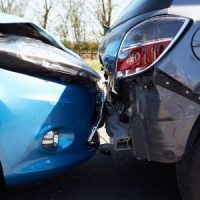
Nobody wants to be involved in a car accident, but sometimes drivers may be involved in two of them at roughly the same time. Some factors can lead to subsequent or secondary crashes after a primary accident. A secondary crash is defined as a crash that occurs as a result of an original crash. This can occur either within the crash scene or within the queue or backup in either direction.
This recently happened in Fort Worth. A man was involved in a minor crash on the South Freeway. He exited his vehicle to inspect the damage when he was hit and killed by a passing vehicle. The man died at the accident scene. The driver fled the scene but was later arrested.
This shows that secondary accidents can be deadly. A pile-up is a particularly dangerous example of a secondary accident.
Secondary crashes account for roughly 20% of all highway crashes and injury collisions. They are often caused by the following:
- Sudden traffic backups: Rapidly forming queues catch oncoming drivers off guard, often leading to rear-end collisions.
- Road hazards: Spilled fluids (oil, coolant), detached car parts, or spilled cargo cause loss of control for passing vehicles.
- Driver distraction: Drivers who are rubbernecking, or slowing down to look at the accident, pull attention away from the road, causing pile-ups.
- Smoke and dust: Severe collisions or engine fires can drastically reduce visibility for surrounding traffic.
Many secondary crashes occur when motorists focus their attention on the first accident instead of the road ahead. Sudden braking, lane changes, and congested traffic conditions can create chain-reaction collisions involving multiple vehicles. Emergency responders, tow truck operators, and stranded drivers are also at heightened risk when secondary crashes happen near active accident scenes.
Highways and interstates are common locations for secondary collisions because traffic moves at higher speeds and drivers may have limited time to react to stopped vehicles or changing traffic patterns. Poor visibility, nighttime driving, bad weather, and heavy congestion can further increase the likelihood of a secondary crash.
Studies have shown that the risk of another collision rises significantly after an initial accident occurs. In some cases, secondary crashes can be more severe than the original incident because they may involve high-speed impacts or multiple vehicles.
Drivers can reduce the risk of secondary crashes by slowing down near accident scenes, avoiding distracted driving, maintaining a safe following distance, and obeying emergency response traffic directions.
After an accident, it is important for drivers to move vehicles out of travel lanes when possible, activate hazard lights, and remain aware of surrounding traffic. Quick roadway clearance and proper traffic control can help reduce congestion and lower the chances of additional collisions.
Contact a Personal Injury Lawyer
Secondary crashes often lead to serious injuries and fatalities. Motorists need to stay alert and drive safely when around car accidents.
In a crash? Get the help you need from a Houston car accident attorney from The West Law Office, PLLC. We can provide you with legal advice and advise you of your options for recovery. Schedule a consultation today by filling out the online form or calling (281) 347-3247.
Sources:
ops.fhwa.dot.gov/publications/fhwahop23043/fhwahop23043.pdf
fox4news.com/news/driver-killed-fort-worth-freeway-after-exiting-car-inspect-minor-crash
