
Autonomous Vehicle Interactions With Motorcycles
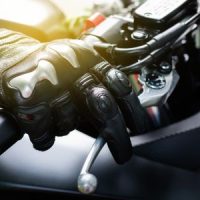
In recent years, autonomous vehicles (AVs) have made major strides in detecting cars, pedestrians, and large objects. However, motorcycles remain one of the most challenging vehicle types for these sensors to perceive. Their smaller profile, rapid lane changes, lean angles, and variable movement patterns create unique detection issues that can increase crash risk and complicate liability.
While AVs have the ability to reduce human error, their current detection systems and rigid programming tend to struggle with the unique dynamics of motorcycles. Here is a look at AVs and how they affect motorcycle safety.
Why Motorcycles Are Hard for Autonomous Vehicles to Detect
- Smaller visual and radar signature. AV systems trained primarily on four-wheeled vehicles may misclassify or miss a motorcycle entirely. Motorcycles present a narrow frontal silhouette. This makes them harder for:
- Camera-based systems to pick up.
- Radar to detect due to lower reflectivity.
- LiDAR to capture consistently when the bike leans.
- Lean angle and body position changes. Unlike cars, motorcycles:
- Shift lean angles constantly.
- Can change direction and position within a lane.
- Have moving riders whose posture affects visibility.
- Rapid acceleration and deceleration. Motorcycles can accelerate or brake much faster than most cars. AV prediction models often struggle with quick lane entry, sudden lane exits, and swift avoidance maneuvers. This may cause an AV to misjudge time-to-impact or fail to yield.
- Lane-splitting difficulties. In states where lane-splitting or filtering is legal or tolerated, motorcycles may ride between lanes, and AVs may not be trained on such behavior. System perception can lose track of a bike moving in the “gray space” between vehicles. This creates high-risk situations when an AV tries to change lanes or close a gap.
Common AV–Motorcycle Crash Scenarios
- Left-turn collisions. AV fails to detect or properly predict the motorcyclist’s speed or path, turning into their lane.
- Lane-change conflicts. AV detects a car but fails to register a motorcycle in the adjacent lane, especially when the bike is approaching fast, riding in a blind spot, or lane-splitting.
- Following distance miscalculations. AVs may close the gap too quickly, brake too abruptly, or fail to recognize the motorcycle’s lighter form of braking.
- Sensor interference or blind zones. Heavy rain, fog, low sun angle, or reflections can make a motorcycle “disappear” from the AV’s sensors.
Contact a Personal Injury Lawyer
Can AVs be programmed to act safely around motorcycles? Only time will tell. For now, motorcycles should avoid AV crashes if possible, as these collisions often lead to catastrophic injuries, permanent disability, and higher lifetime medical damages.
Motorcycles are unique vehicles that need to be operated differently from passenger vehicles, so crashes are common. If you have been a victim, get the help you need from an attorney from The West Law Office, PLLC. We offer experienced legal representation to get you maximum compensation for your injury. Call (281) 347-3247 or fill out the online form to schedule a consultation with our office today.
Source:
americanmotorcyclist.com/rights/ama-board-position-statements/automated-vehicles-and-the-safety-of-motorcyclists/
