

Microsleep Crashes: A Growing Legal Issue
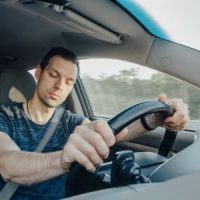
Have you ever fallen asleep briefly while driving? You might have and not even know it. This is called microsleep and it involves falling asleep for just a few seconds. It often happens when a person is extremely fatigued but is trying to stay awake. Even though this is a short period of time, it can be very dangerous while you are behind the wheel. Here are some reasons why:
- You lose control of the vehicle without realizing it. During microsleep, the brain shuts down momentarily. This means the driver is no longer steering, braking, or reacting to anything on the road. Even a two-second lapse at highway speeds can send a vehicle hundreds of feet off course.
- Reaction time drops to zero. Unlike normal drowsiness, microsleep eliminates all reaction time. Drivers cannot swerve, brake, or avoid hazards. Many catastrophic crashes occur because drivers simply never touch the brakes.
- It happens without warning. Microsleep episodes are involuntary. Drivers may think they are alert, only to suddenly “snap awake” without remembering drifting, weaving, or missing signs. This unpredictability makes it one of the most dangerous forms of driver impairment.
- It mimics drunk or distracted driving. Drivers in microsleep often:
- Drift into other lanes.
- Fail to maintain speed.
- Miss traffic signals.
- Veer off the road.
These behaviors mirror impairment from alcohol or texting, making microsleep just as hazardous.
- High-speed crashes are common. Because drivers are not aware they are asleep, microsleep is linked to:
- High-speed rear-end collisions.
- Lane-departure crashes.
- Head-on collisions.
- Off-road and rollover accidents.
These crashes tend to be severe because they happen at full speed.
Preventing Microsleep
Here are the most effective ways to reduce the risk of microsleep behind the wheel:
- Get adequate rest before driving. The most reliable prevention is proper sleep. Adults generally need eight hours of rest. Driving after only a few hours of sleep significantly increases the risk of involuntary sleep episodes.
- Take regular breaks on long trips. On road trips, stop every two hours or 100 miles to stretch, walk, and reset your focus. Short breaks help restore alertness.
- Avoid driving during high-risk hours. Microsleep is most common during late nights, early mornings, and mid-afternoon “energy dips.” Whenever possible, avoid long drives during these natural low-energy periods.
- Pull over at the first signs of drowsiness. Warning signs include frequent yawning, heavy eyelids, drifting out of your lane, difficulty remembering the last few miles, and head nodding. If you experience any of these, safely pull over and rest before continuing.
- Take a short power nap. A 15–20 minute nap can dramatically improve alertness. Longer naps may cause grogginess, so keep it brief.
Contact a Personal Injury Lawyer
Being tired is no laughing matter. Falling asleep while driving can lead to a major car accident.
No matter how they happen, car crashes can lead to various injuries. If you have been affected, seek legal help from a Houston car accident attorney from The West Law Office, PLLC. We can help take care of your damages so you can move forward. Fill out the online form or call (281) 347-3247 to schedule a consultation.
Source:
thensf.org/what-is-microsleep/
