

Chain-Reaction Crashes on Highways
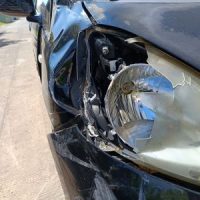
When a car accident happens, it is not always a one-car or two-car event. Sometimes multiple vehicles are involved through a chain reaction.
This recently happened in Texas. A fatal multi-vehicle crash shut down the westbound lanes of the East Freeway near a nearby surface street in Houston. The crash caused hours of delays for commuters heading into downtown. The collision occurred shortly before sunrise when a car entered the freeway from a nearby side road, crossed a grassy median, and became airborne before landing in the main travel lanes. Tire marks at the scene showed where the vehicle left the roadway before crashing onto the freeway.
Upon landing, the airborne vehicle struck a truck, triggering a chain-reaction crash involving multiple vehicles. Two of those vehicles collided head-on during the impact. In total, five vehicles were involved. One person died at the scene, while two others sustained serious injuries.
High-speed highways are one of the most common places for chain-reaction crashes. These accidents involve three or more vehicles crashing in a sequence, often within seconds. Because they happen so quickly, determining fault and securing compensation can be complicated. Understanding how these collisions occur and how liability is determined can help protect your legal rights.
How Chain-Reaction Crashes Happen
Highway traffic moves fast, leaving little time to react. Chain-reaction collisions typically start with a single triggering event, such as:
- Sudden braking due to traffic.
- Distracted driving.
- Tailgating or following too closely.
- Poor visibility from weather or smoke.
- Disabled vehicles in travel lanes.
- Debris on the road.
- Speeding and aggressive driving.
The first impact sets off a domino effect. Vehicles behind may not have enough time or distance to stop, leading to multiple secondary crashes.
Chain-reaction crashes on highways often occur:
- Near construction zones.
- During rush hour.
- In areas with sharp curves.
- When visibility drops due to fog or rain.
Rear-end collisions are especially common, but secondary impacts can include sideswipes, head-on crashes from vehicles spinning out, or collisions with barriers.
Compared to single-vehicle accidents, chain-reaction crashes are more dangerous because they:
- Involve higher speeds.
- Multiply impact forces.
- Increase the risk of pileups.
- Trap occupants between vehicles.
- Create additional hazards for rescue crews.
Determining Liability
Fault becomes complicated when several vehicles are involved, as more than one person can be at fault. Insurance companies and attorneys examine the following:
- Skid marks
- Vehicle damage patterns
- Speed and brake data
- Dashcam or traffic camera footage
- Statements from eyewitnesses
- Black box event data recorders
Texas is a fault-state for auto accidents. You are not barred from recovery just because you share some fault. However, Texas uses a modified comparative negligence system, often called the 51% rule or 50% bar rule. This means if you are found 51% or more at fault, you generally cannot recover damages at all.
Contact a Personal Injury Lawyer
Chain reaction crashes can affect dozens of vehicles and cause serious or even fatal injuries.
A Houston car accident attorney from The West Law Office, PLLC can assess your accident and advise you of the next steps. We are here to maximize your physical and financial recovery. Schedule a consultation today by filling out the online form or calling (281) 347-3247.
Source:
khou.com/article/traffic/i10-east-fatal-crash-waco-street-houston-texas/285-00b7b098-4bc2-408c-ab7d-57f12c66457c
