
Accidents Caused by Electric Vehicles
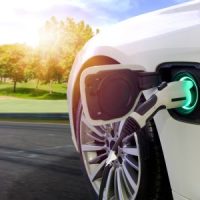
Electric vehicles are growing in popularity. By 2030, it is estimated that electric vehicles will account for 60% of all new vehicle registrations, translating to approximately 350 million electric vehicles on the roads.
These vehicles differ significantly from traditional internal combustion engine (ICE) vehicles. Their electric motors deliver power directly to the wheels, providing higher torque. They also have distinguishing features like single-pedal driving, automatic transmissions, and regenerative braking.
While electric vehicles offer environmental benefits and innovative technologies, their unique design introduces new considerations in the event of a crash. Understanding these risks is essential for not only drivers, but also emergency responders and legal professionals.
Battery-Related Hazards During Crashes
Electric vehicles are powered by high-voltage lithium-ion battery packs. These batteries can create the following hazards during accidents:
- Fire risks. Damaged batteries can overheat and ignite, sometimes hours after a collision, creating delayed fire hazards.
- Electrical shock. High-voltage systems pose a risk of electrical shock to anyone in contact with the vehicle.
- Chemical exposure. Battery fires can release toxic gases such as hydrogen fluoride, which pose health risks to bystanders and emergency personnel.
Emergency Responder Challenges
Emergency responders face several challenges when dealing with electric vehicle accidents:
- Fire suppression difficulties. Lithium-ion battery fires do not respond easily to water alone and may require specialized extinguishing agents.
- Delayed fire risks. Batteries can reignite long after initial suppression, requiring extended monitoring.
- Training and equipment. Responders need specialized training and protective equipment to safely handle hazards from electric vehicles.
Liability Considerations for Manufacturers
Accidents involving electric vehicles raise complex questions about liability:
- Product defects. Manufacturers may be liable if battery design flaws, software malfunctions, or other vehicle defects contribute to a crash or post-crash fire.
- Warning labels and instructions. Failure to adequately inform consumers and first responders about unique electric vehicle hazards can lead to legal concerns.
- Recalls and Software Updates: Timely action in addressing safety defects or issuing recalls can influence liability outcomes.
What Influences Crash Risk?
Current research suggests that electric vehicles do not inherently cause more accidents than other vehicles, but there are factors that can influence crash risk:
- Driver behavior and vehicle familiarity. Electric vehicles often have unique driving characteristics, such as instant torque, regenerative braking, and quiet operation. Drivers unfamiliar with these features may get into minor accidents, particularly in the first months of ownership.
- Silent operation. Electric vehicles produce less engine noise at low speeds, which can make them harder for pedestrians and cyclists to hear.
- Safety features and crash rates. Electric vehicles are typically equipped with advanced safety features, such as automatic emergency braking, collision avoidance, and electronic stability control. These technologies often reduce crash severity and frequency.
Contact a Personal Injury Lawyer
There is some concern about electric vehicles as they become more popular. They can increase the risk of accidents, especially in newer drivers.
In a crash? Seek legal assistance from an attorney from The West Law Office, PLLC. We can help you determine the full extent of your potential compensation. Call (281) 347-3247 or fill out the online form to schedule a consultation.
Source:
sciencedirect.com/science/article/pii/S0001457524003063
