
Complexities of Rideshare Accidents
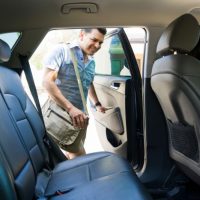
Rideshare services such as Uber and Lyft have transformed the way people travel, offering convenient transportation through apps that connect passengers with drivers. However, when an accident involves a rideshare vehicle, determining who is responsible and what insurance coverage applies can be far more complicated than in a typical car crash.
Whether the accident involves a passenger, another driver, a pedestrian, or a cyclist, rideshare accident claims often present unique legal and insurance challenges.
A rideshare accident happened in Texas in March. A rideshare vehicle crashed into two Forney police patrol units, leaving a passenger with critical injuries.
Police officers had responded to a multi-vehicle crash and positioned marked patrol vehicles with emergency lights activated to close a portion of the highway and reroute traffic onto a nearby service road. The rideshare driver approached the patrol vehicles and collided with them, causing significant damage to all three vehicles involved in the collision.
The passenger in the rideshare vehicle sustained critical injuries and was flown to a Dallas-area hospital for treatment. The driver was transported by ambulance to another Dallas hospital with injuries. There were two Forney police officers outside their patrol vehicles at the time of the crash, but neither were injured.
Multiple Insurance Policies May Apply
One of the biggest complexities in a rideshare accident is determining which insurance policy covers the damages.
Potential sources of coverage may include:
- The rideshare driver’s personal auto insurance.
- The rideshare company’s insurance policy.
- Another driver’s insurance.
- Uninsured or underinsured motorist coverage.
- Commercial insurance policies.
The Driver’s Status Matters
Determining the driver’s exact status at the time of the collision can be critical to the claim. Rideshare companies typically divide coverage into different phases based on the driver’s activity within the app:
- App off. If the driver is not logged into the rideshare app, the driver’s personal auto insurance generally applies.
- App on, waiting for a ride request. When a driver is logged into the app but has not yet accepted a ride request, limited rideshare company coverage may become available, depending on the circumstances.
- Ride accepted or passenger in vehicle. Once a ride is accepted and during the trip itself, significantly higher insurance limits often apply through the rideshare company’s policy.
Disputes Over Liability
Like any motor vehicle accident, establishing fault is an important part of a rideshare claim. However, rideshare accidents often involve multiple parties who may each point the finger at someone else.
Potentially responsible parties may include:
- The rideshare driver
- Another motorist
- A pedestrian or cyclist
- A vehicle manufacturer
- A government entity responsible for roadway maintenance
Contact a Personal Injury Lawyer
While ridesharing is convenient, it is not without its dangers. Drivers can still get into accidents, causing harm to passengers.
These cases can be complex. A Houston rideshare accident attorney from The West Law Office, PLLC will give you the advice you need to ensure your legal rights are protected. Avoid mistakes with our help. Schedule a consultation today by calling (281) 347-3247 or filling out the online form.
Source:
cbsnews.com/texas/news/forney-police-rideshare-crash-highway-80-critical-injury/