
How Software Updates Can Cause Car Accidents
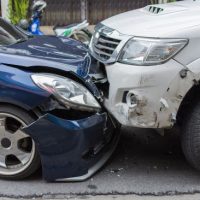
Your computer needs software updates from time to time to operate smoothly. This may seem weird, but your car or truck does as well. Almost all modern vehicles require software to run properly. A vehicle may have more than 100 Electronic Control Units (ECUs) managing critical systems like engines, braking, and steering. Nearly every vehicle produced in the last 30 years depends on code, ranging from emissions control to safety features.
Software plays a key role in modern vehicles. Software controls fuel injection, ignition timing, and throttle mapping, replacing older mechanical carburetors. Antilock braking systems (ABS), electronic stability control, and sensor-driven features are mandatory and software-dependent.
Electric vehicles are entirely dependent on software for battery management, acceleration, and charging. Also many modern cars receive software updates wirelessly to fix bugs or improve performance.
These software updates are supposed to improve vehicle safety but when something goes wrong, they can actually increase the risk of car accidents. Here is a look at what can happen.
System Glitches After Updates
Updates can introduce bugs that affect braking systems, steering assist, adaptive cruise control, or collision-avoidance features. Even brief malfunctions can cause delayed reactions or unexpected vehicle behavior.
Sensor and Camera Calibration Errors
Modern vehicles rely on sensors, cameras, and radar. A software update may require recalibration, and if that doesn’t occur correctly, the car may misjudge distances, fail to detect obstacles, or trigger false warnings.
Sudden Changes in Vehicle Behavior
Updates can alter how features respond, such as lane-keeping sensitivity or acceleration patterns. Drivers who are not warned or trained may be caught off guard, especially at highway speeds.
Temporary System Downtime
Some updates disable safety features while installing or rebooting. If drivers are not clearly notified, they may unknowingly operate the vehicle without critical protections.
Over-the-Air (OTA) Update Risks
OTA updates can occur remotely. If an update fails mid-process or activates unexpectedly, it may leave systems partially functional or unstable.
Liability Issues
Liability gets especially complex when software updates are involved because fault may shift away from the driver and toward multiple people:
- Manufacturer liability. Auto manufacturers can be held liable if a software update is defectively designed, improperly tested, or released without adequate safeguards. Under product liability law, a vehicle may be considered unreasonably dangerous if an update causes braking failures or steering issues.
- Software developer and supplier liability. Many vehicle systems are built or maintained by third-party software developers or component suppliers. If a coding error, cybersecurity flaw, or integration failure causes a crash, those vendors may share responsibility.
- Driver responsibility. Drivers are still expected to operate vehicles safely, but liability may be reduced if the crash resulted from an automated function behaving unpredictably. Courts increasingly examine whether the driver had control after a software malfunction.
Contact a Personal Injury Lawyer
All modern vehicles operate off of software. While having apps in your car can be helpful in many ways, it is possible for a glitch or software failure to cause a serious accident.
Bad software can cause serious crashes. If you have been affected, contact Sue West, a Houston auto accident attorney from The West Law Office, PLLC right away. We will gather evidence to hold the auto manufacturer liable for your injuries and other damages. Schedule a consultation with our office today by calling (281) 347-3247 or filling out the online form.
Source:
betterembsw.blogspot.com/p/potentially-deadly-automotive-software.html